AC Hole Cutting Services In Kanpur
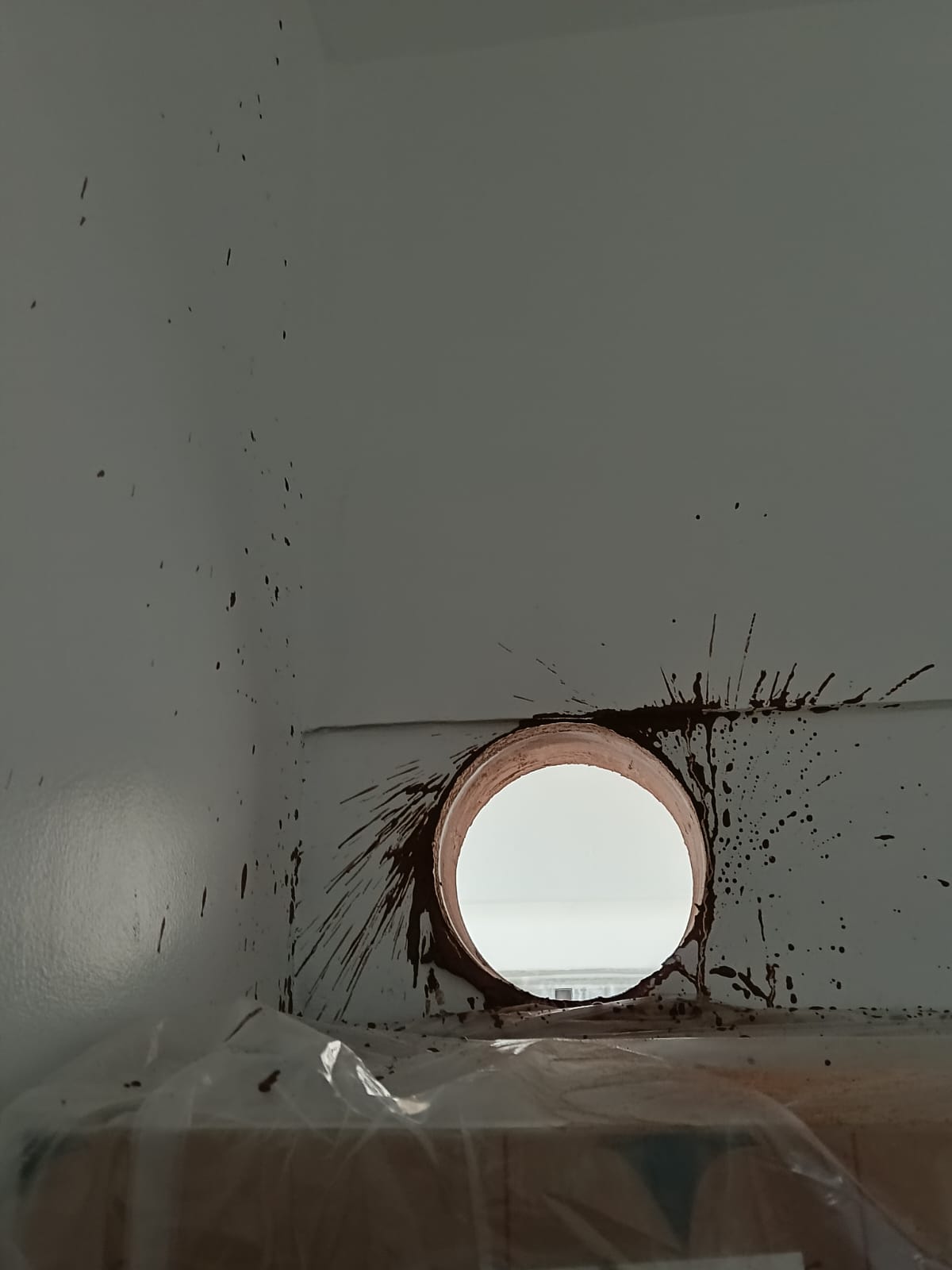
So, you've just bought a brand-new split AC for your home. Maybe you are setting up a new master bedroom in Swaroop Nagar, or finally replacing that old cooler in your Kidwai Nagar flat. The AC dealer drops off the boxes, and the installation guys tell you, "Sir, you need to get a hole made in the wall for the copper piping."
This is the exact moment many homeowners make a frustrating mistake. They call the neighborhood mistri or rajgir, who shows up with a heavy hammer and a chisel, ready to bash a hole through your freshly painted 9-inch brick wall. I've been doing construction and concrete cutting across UP for over a decade, and I can tell you right now: there is a much better way to do this.
Why the Hammer and Chisel Method Ruins Your Walls
When a mistri uses manual force to break through a wall, the impact sends shockwaves through the brick and mortar. You don't just get a hole; you get spiderweb cracks radiating outward into the plaster. On the outside of the house, it usually blows out a massive chunk of concrete or brick, leaving an ugly, jagged crater that you now have to pay a painter or mason to patch up.
Worse, the hole is almost never cleanly round or accurately sized. It's usually oversized, which leaves a permanent gap around your AC pipes where hot summer air, monsoon moisture, and insects can easily enter your room.
Instead, professional ac hole cutting kanpur relies on diamond core drilling. We use industrial-grade Dongcheng core drills running between 1200 to 2200 RPM. These machines don't "break" the wall; they grind a clean cylindrical core out of the brick or concrete. The result is a neat, exact-diameter hole with significantly less dust and minimal vibration to your surrounding structure.
Standard AC Hole Sizes: Getting It Right
If you are installing a standard 1.5-ton or 2-ton split AC, the indoor-to-outdoor copper pipe hole needs to be exactly 3 inches (75mm) in diameter. This gives enough room for the copper pipes, the foam insulation, and the water drainage pipe to pass through comfortably without being squeezed.
Sometimes, if an installer is running extra-thick insulation or running dual pipes through a single channel, they might request a 3.5-inch hole. We carry diamond bits in all these exact increments. If you just guess the size with a hammer, you either pinch the insulation (which causes condensation inside your bedroom) or you leave the hole too loose.
The Right Process: Location, Wiring, and the 3-Degree Rule
Drilling a hole sounds simple, but doing it correctly requires actual site experience. A typical AC hole is marked about 7 to 8 feet high on the wall, usually directly behind where the indoor unit will sit to hide the piping.
1. Checking for Concealed Wiring
Before the bit ever touches the wall, we check the drilling path. In modern flats in Kalyanpur and Kakadeo, builders hide electrical conduits everywhere. Hitting a live wire with a wet core drill running at high RPM is dangerous. It ruins the electrical circuit, burns out the drill bit, and requires tearing open the wall to fix the wiring. We always verify the path to ensure we aren't cutting blindly into a 220V main line.
2. The Downward Tilt (Crucial Step)
This is the step inexperienced workers always miss. An AC hole should never be completely level. We always drill at a slight downward angle of about 2 to 3 degrees toward the outside. Why? Because gravity. If the hole is level, or worse, tilting slightly upward towards the outside, monsoon rainwater hitting your exterior wall will track straight along the PVC pipe and drip directly into your newly painted bedroom. The downward angle ensures that both AC condensation and rainwater drain safely outside.
3. Dealing with Columns and Beams
Sometimes, the only place to vent the AC is directly through an RCC (Reinforced Cement Concrete) beam or column containing thick 12mm or 16mm TMT steel bars. A standard masonry drill bit will snap the moment it hits that steel. Our diamond-tipped segments are specifically designed to slice clean through high-grade M25 or M30 concrete and thick rebar without compromising the structural integrity of the pillar.
Chimney and Ventilation Holes
We don't just do AC installations. If you are upgrading your kitchen, you will need a hole for the chimney exhaust. Chimney pipes are much wider than AC pipes. They typically require a 6-inch to 7-inch diameter core cut.
Positioning here is critical. We always advise homeowners to check the exterior layout before we drill. If you vent a kitchen chimney too close to a bedroom window or a neighbor's balcony, the heavy cooking smells and oil vapor will just blow right back indoors. The hole must go straight through an external wall, ideally leading to an open shaft or unobstructed exterior space.
For standard bathroom or kitchen exhaust fans, we usually drill 6-inch or 8-inch holes, depending on the size of the fan casing. A uniform circular opening allows the fan to sit flush against the wall, preventing annoying rattling noises when the motor is running.
Working in Furnished Homes: Dust and Water Control
It's one thing to drill a hole in a bare, under-construction house in Naubasta. It is completely different when we get called to a fully furnished flat in Arya Nagar with false ceilings, expensive wooden flooring, and a freshly laid bed right under the work area.
Diamond core drilling is mostly a "wet drilling" process. We run a controlled flow of water through the center of the drill bit to keep the diamonds cool and to flush out the concrete dust. This means we don't fill your house with clouds of choking brick dust. However, it does produce a watery slurry. When working in furnished spaces, our team sets up heavy plastic drop cloths over your furniture. We use slurry collection rings and industrial wet vacuums to catch the dirty water right at the wall, keeping your floors clean and protecting your interiors.
Honest Pricing for AC and Chimney Holes
Pricing in this trade depends mostly on the diameter of the hole and the thickness/material of the wall (a standard 4-inch brick partition wall takes less time and wear than a 9-inch heavy RCC column). For standard AC hole cutting in Kanpur, you can expect to pay between Rs 500 to Rs 800 per hole.
For larger openings, like a 6-inch or 7-inch kitchen chimney exhaust, the rate is typically Rs 1000 to Rs 1200. If you are a contractor or homeowner needing multiple holes drilled across a full property, we adjust the rates based on the volume of work.
Frequently Asked Questions
How long does it take to drill an AC hole?
For a standard 9-inch brick wall, the actual drilling process takes about 15 to 20 minutes once the machine is mounted and aligned. If we are cutting through heavily reinforced M30 concrete with thick steel bars, it might take 30 to 45 minutes to safely grind through.
Will the drilling vibration damage my tiles or wall?
No. Core drills rotate smoothly rather than hammering like a standard rotary drill. This rotary grinding action causes very minimal vibration. It won't crack the surrounding tiles, pop the plaster, or damage the structural integrity of your wall.
Do you provide same-day service in Kanpur?
Yes, we cover all areas including Jajmau, Barra, Chakeri, and Civil Lines. If you schedule us in the morning, we can usually have a crew at your location the same day so your AC installation isn't delayed.
Can you cut holes in walls that have already been painted and finished?
Absolutely. We frequently work in furnished, finished homes. We use careful water control and protective plastic sheeting to ensure your freshly painted walls and floors are not stained by the drilling slurry.
Need Professional Service in Kanpur?
Contact CoreCut India today for a free site assessment and transparent quotation.
PricingProjects Call 9236323804