How Core Drilling Works
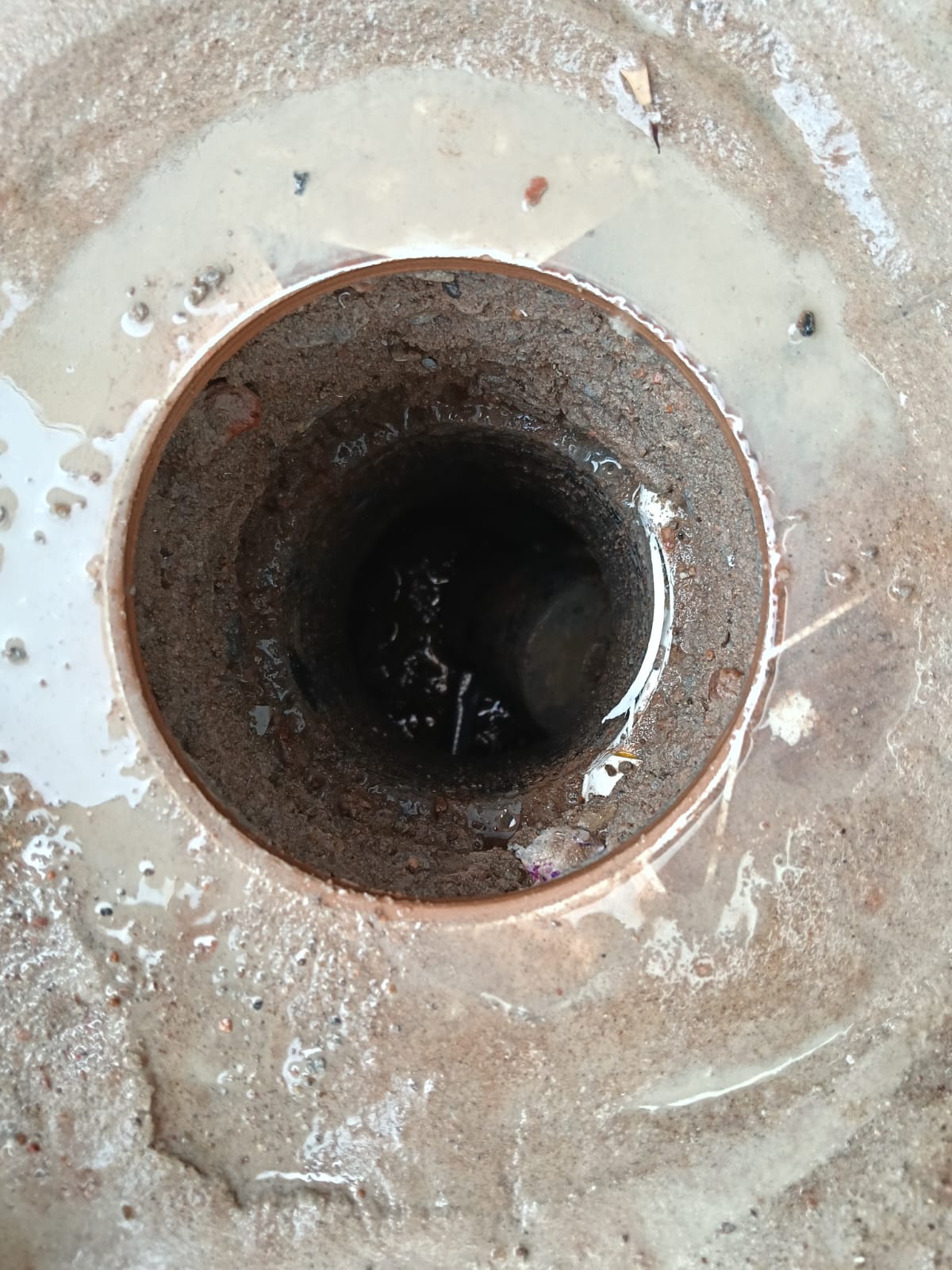
Listen up. I've been running core cutting crews across Kanpur, from Kidwai Nagar to Kalyanpur, for over a decade. We get a lot of young guys joining our team at CoreCut India who think running a heavy-duty drill is just about pulling a lever and watching a hole magically appear in the lenter (slab). Let me tell you right now, it is not. There is a serious mechanical science to how core drilling works, and if you don't understand the physics of what the machine is actually doing, you are going to burn out expensive equipment, strip your diamond bits, or get seriously hurt on the site.
Today, we are skipping the basic sales pitch. I am going to walk you through exactly what happens when industrial diamonds meet M30 grade reinforced concrete, and how we handle the heavy-duty work that local mistris can't manage with a simple hammer and chisel.
The Anatomy of a Core Drill Rig
You can't do this job if you don't know your machine. On our sites, we primarily run heavy-duty Dongcheng diamond core drills. These are reliable machines if you treat them right. A proper core drilling rig isn't a hand drill; it's a piece of structural equipment consisting of several critical components:
The Electric Motor and Gearbox
The heart of the rig is the motor. For commercial RCC slab and wall cutting, we use motors ranging from 2200W to 3200W. These motors don't just provide raw speed; they provide massive torque. The gearbox attached to the motor allows us to control the RPM. A smaller 2-inch bit for plumbing might need to spin at around 2200 RPM, while a massive 8-inch bit needs to run much slower, around 1200 RPM or less, to maintain the correct surface speed at the cutting edge.
The Spindle and Water Swivel
The spindle connects the motor's output shaft to the core bit. Built directly into this assembly is the water swivel. This is a specialized valve that allows a constant flow of water to be injected directly down the hollow center of the spinning core bit while the outside of the machine stays dry. Without this, wet drilling would be impossible.
The Stand and Base Plate
This is where rookies make their first mistake. You do not hold a 3200W core drill by hand when going through a 9-inch slab. The machine is mounted on a heavy metal column or stand. The base plate of this stand is bolted directly into the concrete using an anchor bolt (usually a heavy-duty drop-in anchor). This ensures the drill remains firmly anchored. Any wobble while drilling will bind the bit and can snap the segments right off.
Diamond Core Bits: The Real Heroes
The core bit is a hollow steel tube, but the actual cutting is done by the segments welded to the bottom rim. These segments aren't sharp like a wood saw. Instead, they are made of a metal powder matrix embedded with synthetic industrial diamonds.
When we talk about how core drilling works, it's really a process of grinding, not traditional cutting. As the bit spins, the diamonds scratch and grind away the concrete. Over time, the metal matrix slowly wears away, which is actually intentional — it continuously exposes a fresh layer of sharp diamonds underneath.
For fast cutting in basic brick or masonry walls (like we see a lot in older houses in Swaroop Nagar), we might use turbo segments. But for heavy RCC work with thick TMT steel rebar, we strictly use laser-welded segments. Laser welding ensures that the extreme heat and friction of cutting through steel won't melt the weld and cause the segment to break off inside the hole.
Step-by-Step: The Drilling Process
Let's say we are on a site in Barra, drilling a 6-inch hole for a chimney exhaust through a 9-inch outer wall. Here is exactly how the process goes:
1. Anchoring the Rig: First, we measure and mark the exact center. We drill a small hole for the anchor bolt, set the anchor, and bolt down the base plate tightly. The column must be accurately aligned with the intended angle of the hole.
2. Setup and Water Connection: We thread the 6-inch diamond bit onto the spindle and tighten it with a spanner. Then, we connect the water hose to the water swivel and turn it on to ensure a steady, clear flow through the center of the bit.
3. Establishing the Kerf: This is a delicate step. The operator turns on the machine, usually at a lower RPM to start. Using the feed handle on the stand, the spinning bit is gently lowered until it barely touches the concrete. We maintain very light pressure to grind an initial circular groove, called the "kerf." If you smash the bit into the wall too fast, it will skip and ruin the alignment.
4. Steady Feed Pressure: Once the kerf is established and the bit is tracking straight, the operator gradually increases the speed and applies steady, consistent downward pressure on the feed handle. You let the weight of the machine and the sharpness of the diamonds do the work. You listen to the motor — if the pitch drops heavily, you are pushing too hard.
The Crucial Role of Water Cooling
I cannot stress this enough to new technicians: water is essential during diamond drilling on a site. Water does three massive jobs during the core cutting process.
First, it cools the diamonds. The friction generated by grinding concrete and steel is immense. If the diamonds heat up past 700°C, they undergo a chemical change called graphitization. Basically, they turn into graphite, lose their hardness, and your expensive core bit is ruined instantly. Second, water flushes out the concrete slurry. As the concrete is ground into a fine powder, the water turns it into a liquid paste and pushes it up and out of the cut, preventing the bit from binding. Third, it suppresses dust. While we can't promise a completely mess-free site, wet drilling creates significantly less dust than dry cutting, keeping the air clean for everyone.
Hitting Rebar: When Steel Meets Diamond
Any structural slab in Kanpur is going to have heavily reinforced steel — usually 10mm, 12mm, or even 16mm TMT bars. When a spinning diamond bit hits a heavy steel saria, the whole dynamic changes.
The sound of the machine changes from a low, grinding growl to a high-pitched, metallic screech. The operator will feel a sudden resistance in the feed handle. This is the moment of truth. A bad operator will try to force the handle down to push through the steel. Doing this will simply strip the diamond segments right off the steel tube. A good operator will immediately back off the feed pressure by about 30%, maintain a steady RPM, and let the diamonds slowly grind away the steel. It takes patience, but it preserves the equipment.
The Core Sample
When the bit finally breaks through the other side of the slab or wall, we stop the machine, shut off the water, and retract the bit. What comes out is a solid cylindrical plug of concrete, often with neatly sliced cross-sections of steel rebar embedded in it. For most plumbing or AC jobs, this plug is thrown away. However, for road core testing jobs — like the highway projects we do out towards Unnao — this solid cylinder is the actual product. We carefully extract it, label it, and send it to testing labs where it is crushed to verify the exact compressive strength of the poured concrete.
Wet Cutting vs. Dry Cutting
People often ask us to do dry cutting because they are worried about water spoiling their fresh paint. Here is the reality: wet cutting is standard for all RCC (reinforced cement concrete) work. You simply cannot cut through heavy concrete and steel rebar without water cooling. The bit will melt.
We only use dry cutting for thin brick walls (usually 4-inch partitions) or lightweight block walls where water is absolutely prohibited, like near sensitive electrical panels. Dry bits use a different segment bonding and require the operator to frequently pull the bit out of the hole to let air cool the steel. It takes longer and wears out the consumables much faster.
Common Operator Mistakes
When training new guys, I always watch out for these rookie mistakes:
- Wrong RPM for the bit diameter: Running an 8-inch bit at 2200 RPM will cause the outer edge to spin too fast, glazing the diamonds and preventing them from cutting. Larger bits need lower gears.
- Insufficient water flow: Trying to save time by restricting the water flow leads to thick slurry that jams the bit in the hole.
- Forcing the feed handle: Impatience kills equipment. If the bit isn't cutting, pushing harder just breaks the machine. You have to let the diamonds grind at their own pace.
- Skipping site checks: Not asking the site engineer or owner about concealed electrical conduits or plumbing lines before drilling is a massive hazard. We always inspect the area first.
Frequently Asked Questions
How long does it take to drill a hole through a standard RCC slab?
It depends heavily on the thickness of the slab, the grade of concrete (M20 vs M40), and the amount of rebar. Generally, a 6-inch hole through a standard 6-inch thick RCC roof slab takes about 20 to 30 minutes of active drilling, plus setup time.
Does the drilling process damage the surrounding structure?
Unlike hammering or using breaker machines, diamond core drilling is rotary. It is designed to reduce structural disturbance and creates minimal vibration. This means it cuts cleanly without causing micro-fractures in the surrounding concrete.
What sizes of holes can you drill?
We regularly drill holes ranging from 2 inches (for standard plumbing pipes) all the way up to 8 inches and beyond for large commercial exhaust systems and fire lines. Pricing depends on the diameter, usually starting around Rs 500-800 for smaller holes, Rs 1000 for 6-inch, and going up from there.
How messy is the water slurry?
Wet drilling does produce a concrete and water mixture called slurry. In finished homes, we use water collection rings and industrial wet vacuums attached directly to the drill setup to control and capture this slurry, keeping the workspace as clean as practically possible.
Need Professional Service in Kanpur?
Contact CoreCut India today for a free site assessment and transparent quotation.
PricingProjects Call 9236323804