Wall Cutting Services In Kanpur
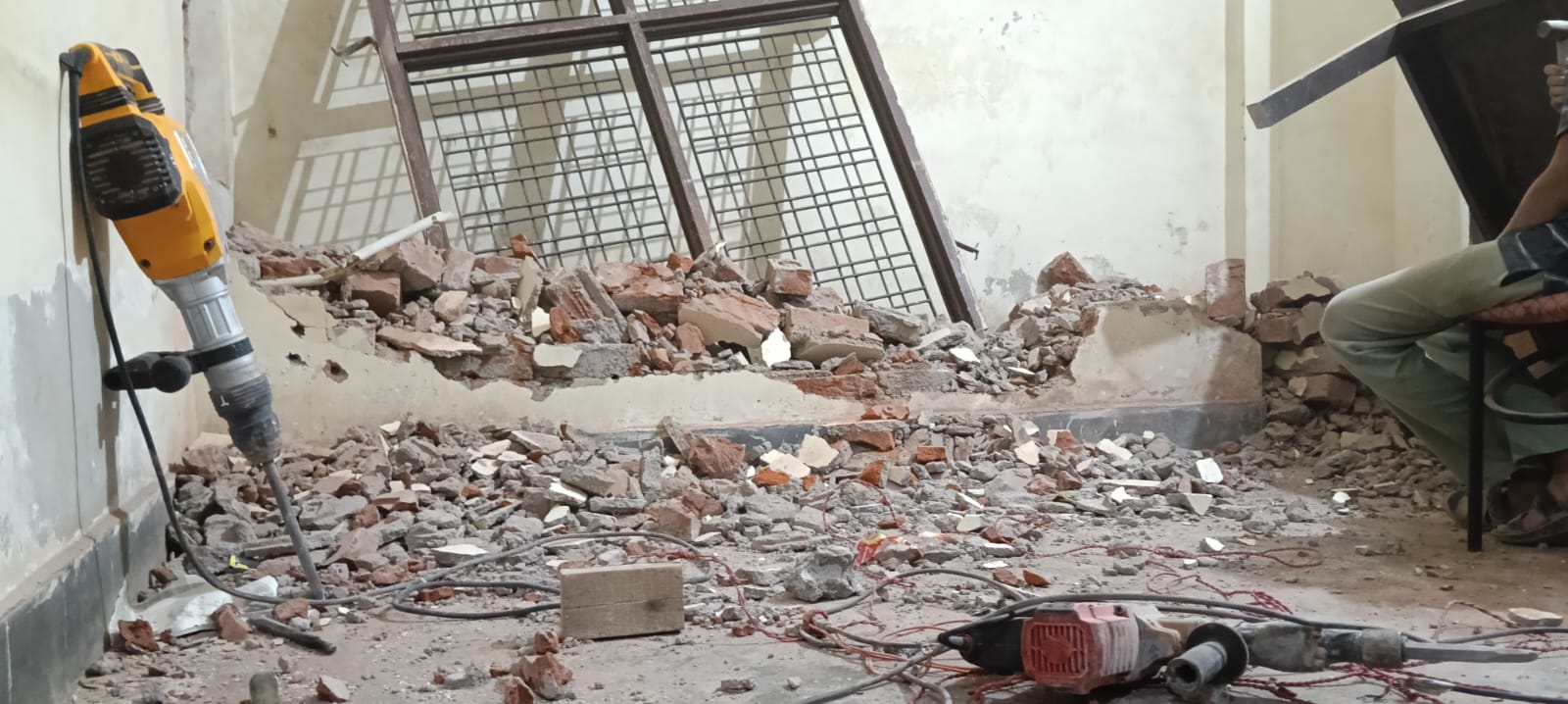
When we get calls from homeowners in Kakadeo or Civil Lines asking us to "cut a hole for a door," we always start by asking exactly what they mean. In the construction trade, we use specific tools for specific jobs. Core cutting is for round holes — like for AC pipes or plumbing. But when you need a straight, rectangular opening for a new door, a window enlargement, or a pass-through between your kitchen and dining room, that requires professional wall cutting services in kanpur. We use heavy-duty diamond wall saws on a track to make clean, straight cuts right through brick or RCC (Reinforced Cement Concrete) walls.
Common Reasons for Wall Cutting
Most of our work in areas like Kidwai Nagar, Barra, and Kalyanpur involves residential modifications. Families grow, layouts change, and sometimes you just need to alter your space. Here is where a wall saw comes in:
- New Door Openings: The standard size is usually 3ft x 7ft. Instead of having a rajgir break the wall with a heavy hammer and chisel (which shakes the whole house and creates jagged edges), we cut a precise, smooth rectangle.
- Window Enlargements: Upgrading from a small 3ft x 4ft window to a larger 6ft wide sliding glass door opening for better ventilation and light.
- Kitchen Pass-Throughs: Opening up the space between the kitchen and dining area for a more modern layout without tearing down the entire wall.
- Service Shafts: Cutting large openings for commercial HVAC ductwork, fire lines, or elevator shafts in multi-story buildings in Jajmau or Swaroop Nagar.
The Critical Question: Is It a Load-Bearing Wall?
Before we even think about bringing the Dongcheng machine inside your home, we have to look at the structure. This is the most important part of the job. Cutting a non-load-bearing partition wall (usually 4.5 inches thick in brick) is straightforward. But cutting a load-bearing wall (9 inches thick or more, which carries the weight of the slab above) is a serious matter.
If you cut a load-bearing wall without proper temporary support, the concrete slab above could sag, or worse, you could cause structural cracks throughout the floor. How do you tell the difference?
- Check the thickness: Partition walls are usually thinner (around 4.5 inches). Outer walls or main structural walls are 9 inches or more.
- Look at the beams: If a heavy RCC beam runs directly above the wall, the beam might be taking the load, but the wall itself might just be an infill panel.
- Slab span direction: Which way are the main TMT bars in the slab running? The load is usually transferred to the walls supporting the shorter span of the slab.
If there is any doubt, especially in older buildings in Kanpur, we strongly advise consulting a structural engineer. You might need to install a steel I-beam or heavy lintel *before* we make the final structural cut.
The Wall Cutting Process: Step by Step
When we arrive at your site, here is exactly what our mistri and operator will do to ensure the job is done safely and correctly:
- Marking and Visual Assessment: We draw the exact dimensions (e.g., 3ft x 7ft for a door) directly on the plaster. We double-check the measurements with your carpenter or contractor.
- Relief Holes: We use a core drill to make small holes (usually 2-inch or 3-inch diameter) at the four corners of the marked rectangle. This prevents the large saw blade from overcutting into the surrounding wall sections that you want to keep intact.
- Mounting the Track: We bolt a heavy metal guide track directly to the wall. The wall saw machine travels along this track to ensure a straight line, horizontally and vertically.
- The Wet Cut: We start the diamond saw. It runs at a high RPM and requires continuous water cooling. A steady water flow (about 2-3 liters per minute) keeps the diamond segments from melting and significantly reduces concrete dust. It isn't dust controlled using wet drilling, but it is vastly cleaner than manual demolition.
- Sectioning: For large openings, we don't cut one massive block. We cut the opening into smaller, manageable blocks of around 2ft x 2ft to make removal easier.
Brick Walls vs. RCC Walls
Cutting a standard 9-inch brick wall in a typical Kanpur house is relatively fast. The diamond blade glides through the baked clay bricks and cement mortar easily. However, when we encounter RCC walls — like shear walls, lift shafts, retaining walls, or basement walls cast in M25, M30, or even M40 grade concrete — the job changes completely.
RCC contains heavy steel rebar. If we hit a dense grid of 10mm, 12mm, or 16mm TMT bars, the cutting speed drops. The machine has to grind through the steel and the hard concrete simultaneously. This requires more power, takes more time, wears out the diamond blade much faster, and therefore costs a bit more. We adjust our blade type and cutting pressure depending on what our saw hits inside the wall.
Safe Removal of the Cut Concrete
One critical thing many homeowners don't think about is gravity. If we cut a 3ft x 7ft section out of a 6-inch thick RCC wall, that slab of concrete weighs hundreds of kilos. If it simply falls, it will smash your floor tiles, crack the concrete slab below, and could severely injure someone.
To prevent this, we support the block from both sides before making the final horizontal cut at the top. We use scaffolding, chain blocks, or heavy-duty MS props (shuttering pipes) to hold the block securely in place. Once the final cut is complete, we carefully lower the pieces to the floor on old tires or thick rubber mats to absorb the heavy impact. After that, laborers break the large chunks down into smaller pieces with a breaker machine or sledgehammers for easy removal from the site.
After the Cut: Finishing and Lintels
Our specialty is providing professional wall cutting services in kanpur, but you need to know what happens next. Once the hole is there, you can't just slap a wooden door frame in and call it a day.
For any new door or window opening, the brick or concrete above the opening needs permanent support. Your rajgir will need to cast or install a lintel — a small beam — across the top of the opening. Without a lintel, the weight of the wall above will eventually press down on your door frame, causing it to jam, warp, or crack the surrounding plaster. After the lintel is set, the edges of our saw cut are usually smooth enough that they only require minor plaster work before the wooden, UPVC, or aluminum frame is fitted.
Frequently Asked Questions
How much does wall cutting cost in Kanpur?
Pricing depends heavily on the wall thickness and the material. Cutting a 4.5-inch brick wall is much cheaper than cutting a 9-inch RCC wall filled with heavy steel rebar. We typically price wall saw cutting per square foot or running foot of the actual cut. Give us a call at 9236323804, and we can often give a rough estimate over the phone, though we will need to inspect the site to give you a final quote.
Is wall cutting messy? Will my house be full of dust?
Because we use wet-cutting technology (where water runs continuously over the spinning blade), airborne dust is significantly reduced. However, there will be concrete slurry (muddy water) running down the wall and pooling on the floor. We try to control the runoff, but you should expect the immediate work area to get wet and messy. Still, it is much cleaner for your home than having laborers break the wall manually, which sends thick dust into every room.
How long does it take to cut a standard door opening?
For a standard 3ft x 7ft door opening in a normal brick wall, the setup, cutting, and safe lowering of the pieces usually takes about half a day (4 to 6 hours). RCC walls take longer because the diamond blade has to cut through the steel reinforcement, which slows down the process.
Do I need to move out during the work?
No, but you should stay out of the room we are working in. The diamond saw machine is loud, and there is vibration right at the wall. We strongly recommend covering furniture and electronics in the adjacent rooms with plastic sheets just in case of any minor dust or splashes.
Need Professional Service in Kanpur?
Contact CoreCut India today for a free site assessment and transparent quotation.
PricingProjects Call 9236323804