When To Use Controlled Demolition
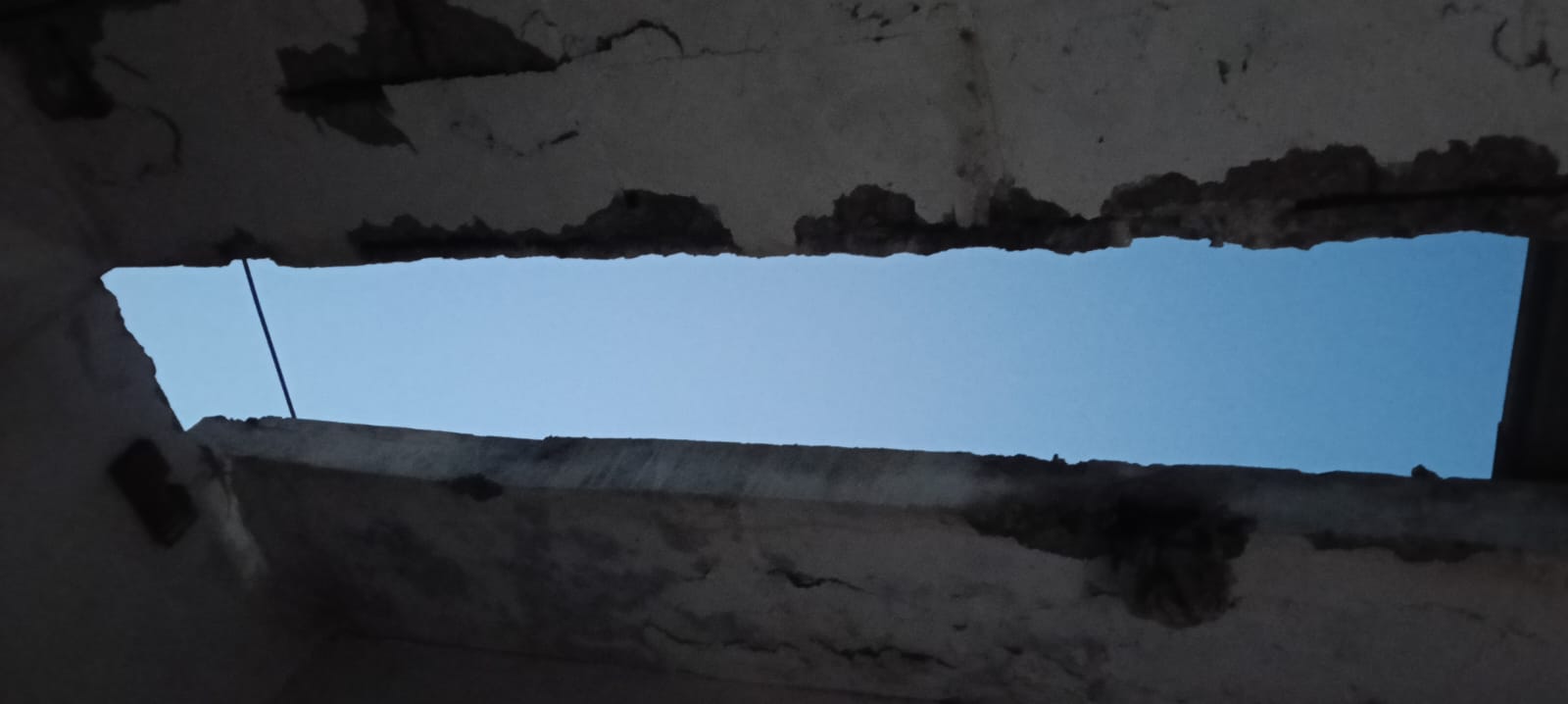
Look, when a builder or a homeowner in Kanpur calls me and says they need to "demolish" a part of their building, the first thing I have to ask is: what exactly are we breaking? In our trade, there is a massive difference between handing a couple of laborers a sledgehammer and bringing in a team for controlled demolition. If you use the wrong approach, you are either wasting a lot of money, or you are risking structural damage to your entire building.
I have been doing concrete drilling and cutting across UP for years. I have seen builders save thousands by knowing when to call a mistri with a breaker, and when to call us for precision diamond cutting. Let's break down exactly when you need which method.
What Does "Controlled Demolition" Actually Mean Here?
When you read "controlled demolition" online, you might picture those videos of empty buildings being brought down by explosives. That is not what we do here in India for everyday construction projects. For contractors like us, controlled demolition means using diamond saws, heavy-duty core drills, and hydraulic equipment to remove very specific structural elements — designed to minimize disturbance to adjacent masonry/concrete, subject to site conditions.
Instead of hammering away at M25 grade concrete and hoping for an undamaged opening, we use tools like Dongcheng diamond core drills running between 1200 and 2200 RPM, coupled with continuous water flow to manage heat and dust. We cut through the concrete and the embedded steel bars (whether it's 8mm, 12mm, or heavy 16mm TMT) cleanly.
When Manual Demolition is Sufficient (Save Your Money)
I will be the first one to tell you: do not spend money on diamond cutting if you don't need to. If precision doesn't matter and the element is non-load-bearing, manual demolition is a practical choice.
1. Simple Brick Partition Walls
If you are taking down a standard 4.5-inch non-load-bearing brick wall in a bedroom to make the space bigger, just get a reliable rajgir and a laborer with a hammer. It will take them a few hours, the mess is manageable, and it costs a fraction of the price of heavy machinery.
2. Old Counters and Flooring
Breaking an old kitchen counter made of plain cement concrete or removing old floor tiles doesn't require high-tech tools. A standard electric chipping hammer will do the job effectively and keep your budget intact.
When You Must Use Controlled Demolition
This is where things get serious. If you are modifying the actual bones of the building, hitting it with a heavy electric breaker is asking for trouble.
1. Modifying RCC Slabs
If you are cutting an opening for a new staircase, a lift shaft, or an AC duct in a 6-inch or 9-inch RCC slab, you need precision. Manual hammering sends heavy vibrations straight into the surrounding slab, which can cause micro-cracking and weaken the area where the new load will sit.
2. Working Near Load-Bearing Elements
Want to widen a doorway in a load-bearing wall? Need to modify a column or remove a section of a beam? You cannot afford the structural shock of a sledgehammer. Diamond cutting slices through the M30 concrete and heavy reinforcement steel smoothly, leaving the adjacent structure designed to hold the weight totally undisturbed.
3. Occupied Multi-Story Buildings
If you are renovating an apartment in Swaroop Nagar or a commercial space in Civil Lines, you can't have manual breakers running for three days. The vibration travels down the columns and annoys everyone below you. Controlled cutting produces significantly less dust because of the water systems, and the noise is just a steady hum rather than earth-shaking thuds.
Let's look at a common job we do across Kanpur and Lucknow: cutting a 4ft by 7ft opening in a 6-inch RCC slab for a new staircase.
The Manual Approach: You hire 2-3 laborers with electric demolition hammers. It takes them at least 2 full days of back-breaking work. The vibration transferred to the floor below is massive. When they are finally done, the edges of the opening are completely jagged, and bent pieces of TMT rebar are sticking out everywhere. Before you can build the stairs, you have to bring in carpenters for custom shuttering and masons to pack the edges with fresh mortar and plaster to make it somewhat straight.
The Controlled Cutting Approach: We bring in a team with a diamond track saw or use the stitch drilling method. The work takes 4 to 6 hours. Because we slice right through the concrete and steel, there is minimal vibration. When we drop that slab section, the remaining opening has straight, clean edges. Your team can start welding the new stair structure immediately that same afternoon.
The Real Cost Analysis: Which is Cheaper?
On paper, paying daily wages to a couple of laborers looks a lot cheaper than hiring a specialized concrete cutting contractor. But any experienced builder knows you have to look at the total finished cost.
Yes, the upfront rate for manual breaking is low. But you are paying for multiple days of labor. Then, you are paying for the materials and labor to repair the messy edges. Most importantly, you are paying in time. A job that delays your next trade by three days costs you money.
Let's say you are removing a heavy 9-inch thick balcony overhang. A manual team might charge Rs 3,000 for the labor. But then the plasterer needs Rs 2,000 and two days to fix the wall where the balcony was ripped out. A controlled cut might cost you around Rs 6,000 up front, but when we leave, the wall remains flat and ready for plaster or paint. You broke even on cost, but saved days of headaches.
When you use controlled demolition for heavy RCC work, the initial quote is higher. But the job is finished in hours, not days. The cut edges require minimal repair work compared with chipping. And you avoid the very real risk of vibration damage causing cracks in the adjacent plaster — which is a nightmare to patch up later, especially if the space below is already finished.
Safety and Neighbor Complaints
If you are working in a standalone plot in a new layout in Naubasta or Kalyanpur, you can make all the noise you want. But if you are working in a densely packed area like Kakadeo or an upscale apartment complex in Arya Nagar, safety and nuisance management are critical.
Heavy manual breaking creates thick clouds of silica dust that settle everywhere. Our diamond core drills and saws use continuous water cooling. This binds the dust into a slurry that just drips down, keeping the air relatively clean. Furthermore, avoiding structural shocks is a major safety factor for the integrity of older buildings in the city.
Then there is worker safety. Handing a heavy demolition hammer to a worker on a scaffold to break an overhead beam is dangerous. Large chunks of concrete can fall unpredictably. With controlled cutting, we can rig the concrete block, cut it cleanly, and lower it safely to the ground using a chain pulley. It is a much safer environment for everyone on the site.
Frequently Asked Questions
Is controlled cutting more expensive than manual breaking?
For a simple brick wall, yes, it's an unnecessary expense. But for an RCC slab, column, or beam, it usually saves you money when you factor in the time saved, the lack of repair work needed for jagged edges, and the avoidance of structural damage repairs.
Can you remove a load-bearing wall safely?
We can cut the concrete cleanly, but removing a load-bearing element requires a structural engineer to design temporary supports and alternative load paths (like installing steel beams) before we start cutting. We handle the precision cutting, but the structural planning must come first.
How much water does the diamond cutting process use?
It requires a steady trickle, not a flood. We usually hook up a small 0.5-inch pipe to a bucket or a direct tap to keep the diamond blade or core bit cool and suppress the dust. It produces a muddy slurry that is easily contained and swept up.
Do I need to clear out my apartment before you cut a slab?
No, but you should move furniture away from the immediate working area and cover things with plastic sheets to protect them from the water slurry splashing. Since there is significantly less airborne dust compared to manual demolition, the rest of the house stays relatively undisturbed.
Need Professional Service in Kanpur?
Contact CoreCut India today for a free site assessment and transparent quotation.
PricingProjects Call 9236323804