What Is Core Cutting?
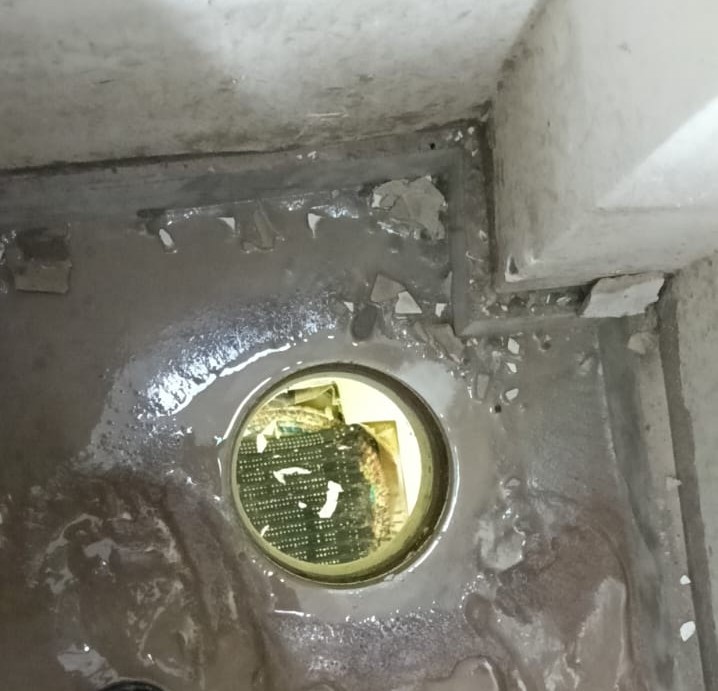
If you are building a new house or renovating an older property here in Kanpur, eventually your plumber, electrician, or HVAC technician is going to tell you, "Bhaiya, yahan pipe nikalne ke liye hole karwana padega." For decades, the standard practice was to call a rajgir or mistri, hand them a hammer and a heavy steel chisel, and let them pound away at your freshly cast slab or newly finished brick wall. But if you want to protect your building's structural integrity, that outdated method needs to stop.
I have been drilling into concrete across this city for over 10 years. Whether we are working on a new apartment fit-out in Swaroop Nagar, a commercial space in Civil Lines, or an independent kothi in Kakadeo, the foundation of good utility installation starts with proper drilling. In this guide, I will explain exactly what is core cutting, how the process works, and why it is the only method you should allow on your construction site.
What Is Core Cutting?
In simple terms, core cutting (also known as diamond drilling) is the process of removing a clean, cylindrical piece of material from a wall, floor, or ceiling. Instead of breaking the concrete apart with brute force and heavy vibrations, a specialized machine grinds a clean circular path through the material. Once the machine reaches the other side, a solid cylinder—the "core"—is pulled out, leaving behind a clean, circular opening.
To understand what is core cutting in a practical sense, think of it like an apple corer, but for concrete. Because the drill uses a spinning grinding motion rather than a hammering action, it causes minimal vibration. This means the surrounding concrete, plaster, and brickwork remain intact without hidden micro-cracks forming inside your walls.
Core Cutting vs. Wall Cutting vs. Demolition
Many property owners and even some newer builders get these terms confused. Let us clear that up:
- Core Cutting: Used specifically for making cylindrical holes. This is what you need when you want to pass a pipe, a wire, or a duct from one side of a structure to the other.
- Wall Cutting (or Slab Cutting): This involves using large track saws with massive circular blades to make straight, linear cuts. You need this when you want to create a new doorway in an existing wall, expand a window, or cut out a section of a slab for a staircase.
- Demolition: This is the messy part. Using heavy pneumatic breakers and chippers to break down mass concrete or brickwork into rubble.
Why and When Do You Need Core Cutting?
You cannot run modern utilities through a building without drilling holes. We typically categorize our jobs by the size of the hole required. Here is what we do on a daily basis across neighborhoods like Kalyanpur, Kidwai Nagar, and Jajmau:
2, 3, and 4 Inch Holes: These are the bread and butter of our industry. We drill 2-inch and 3-inch holes primarily for split AC copper pipe penetrations and electrical conduit bundles. The 4-inch core bit is our most used tool, heavily requested by plumbers for standard bathroom drainage lines and sanitary soil pipes.
6 to 7 Inch Holes: These medium-sized holes are almost exclusively for ventilation. If you are installing a modern kitchen chimney, you need a 6-inch or 7-inch chimney exhaust hole through the exterior wall for the duct. We also drill these sizes for commercial bathroom exhaust fans and smaller HVAC ducting.
8 to 12 Inch Holes: These are heavy-duty commercial applications. We drill these massive holes for commercial fire line sprinkler mains, large plumbing manifolds, lift shaft openings and ventilation, and industrial cable penetrations.
Contractor's Tip: Kitchen Chimney Planning
If you are getting modular woodwork done in your kitchen, call us for the 6-inch chimney hole before the carpenters finish their cabinets. Trying to drill a 6-inch hole through an exterior brick wall when expensive wooden cabinets are already installed makes water management very difficult and risks damaging your new woodwork.
How the Core Drilling Machine Works
We use heavy-duty Dongcheng diamond core drills. You might hear some contractors bragging about imported "professional drilling equipment," but in my experience, a properly maintained Dongcheng rig is incredibly reliable and handles tough Indian construction materials reliably.
The process is highly controlled. First, we cannot just hold the drill by hand. We drill a small 12mm or 16mm hole into the concrete to fix a heavy-duty steel anchor bolt. The drill rig's stand is bolted tightly to this anchor. This ensures the machine stays completely steady, which is why the process produces minimal vibration.
Once mounted, we attach the core barrel—a steel tube with industrial diamond segments welded to the cutting edge. We connect a water pipe directly to the motor. As the motor spins the diamond bit at speeds anywhere between 1200 to 2200 RPM (we use higher RPMs for small holes and lower RPMs for big 8+ inch holes to maintain torque), the water flows through the center of the bit.
The water does two critical jobs: it keeps the diamond segments from melting under extreme friction, and it flushes out the concrete dust as a wet, muddy slurry. Because of this continuous water flow, core cutting produces significantly less dust compared to dry hammering or grinding.
What Materials Can We Cut?
A high-quality diamond bit does not care what is in front of it. We regularly drill through:
- RCC Slabs and Beams: Whether it is a standard 4-inch or 6-inch residential slab made of M20 or M25 grade concrete, or a heavy 9-inch to 12-inch commercial slab using tough M30 or M40 concrete, the drill handles it.
- Steel Rebar (Sariya): The diamond segments grind right through structural steel. We regularly cut through 8mm and 10mm slab mesh, as well as heavy 12mm and 16mm TMT bars hidden inside beams.
- Masonry: Standard red clay bricks, modern fly ash bricks, stone masonry, and solid concrete blocks.
The Golden Rule: Scan Before You Drill
Just because our machines can easily cut through 16mm TMT bars does not mean we always should. If a plumber asks me to drill a 4-inch hole directly through the bottom center of a main load-bearing beam, I will refuse until we verify the rebar layout.
Drilling blind into RCC (Reinforced Cement Concrete) is a massive risk. Cutting through the primary tension reinforcement of a beam can weaken the structure of your house. Where required, reinforcement location is assessed visually before drilling/cutting to help avoid unnecessary interference with embedded steel. In many cases, we can shift the hole slightly to avoid cutting through primary structural rebars.
Realistic Timeframes and Cost
Customers often think that drilling through solid concrete is going to be an all-day event. In reality, once our machine is securely anchored and the water supply is connected, the actual cutting is surprisingly fast. A standard 4-inch hole through a 6-inch thick RCC slab usually takes about 15 to 20 minutes of drilling time.
As for the cost, pricing is highly straightforward and depends entirely on the diameter of the hole. For standard residential sizes (2 to 5 inches), you can expect to pay anywhere from Rs 500 to Rs 800 per hole. A 6-inch hole for a chimney usually costs around Rs 1000, and a 7-inch hole is about Rs 1200. For anything 8 inches and above, we usually need to do a quick site inspection before quoting, as the setup and machinery requirements increase significantly. You can check out our detailed pricing page here for bulk rates and commercial project estimates.
Frequently Asked Questions
Does core cutting create a lot of dust inside the house?
Because we use a continuous water flow over the diamond drill bit, it produces significantly less airborne dust compared to traditional hammering or grinding. However, it does produce a wet, grey slurry (concrete mud). We clean up as we go, but you should expect some wet mess, not a room full of dust.
Will the drilling crack my newly done plaster or paint?
No. Core cutting involves a smooth grinding action with minimal vibration, unlike the heavy impact of a hammer drill. It is designed to reduce structural disturbance, so the surrounding plaster, paint, and brickwork remain undisturbed.
Can the machine cut through the thick sariya (rebar) in my roof?
Yes, our diamond-tipped core barrels easily cut right through 8mm, 10mm, 12mm, and even 16mm TMT bars. However, we always advise checking with your architect or engineer before cutting through main structural beams.
How much water is needed for the machine?
We typically need a steady, slow flow of water—usually just a standard garden hose connected to a tap, or a 20-liter bucket with a small submersible pump. The flow rate is relatively low, just enough to keep the bit cool and flush the cuttings.
Do I need to arrange for scaffolding or shuttering if the hole is high up?
If the hole is more than 8 feet off the ground (like an AC hole near the ceiling), we will need a stable working platform. A sturdy ladder or basic scaffolding/shuttering arrangement is required because the machine and stand are heavy and need to be bolted securely to the wall.
Need Professional Service in Kanpur?
Contact CoreCut India today for a free site assessment and transparent quotation.
PricingProjects Call 9236323804